Cabinet approves national content policy for oil and gas sector

The cabinet on Monday approved the much awaited national content policy that is intended to promote the competitiveness of Ugandan labour and businesses in the petroleum sector
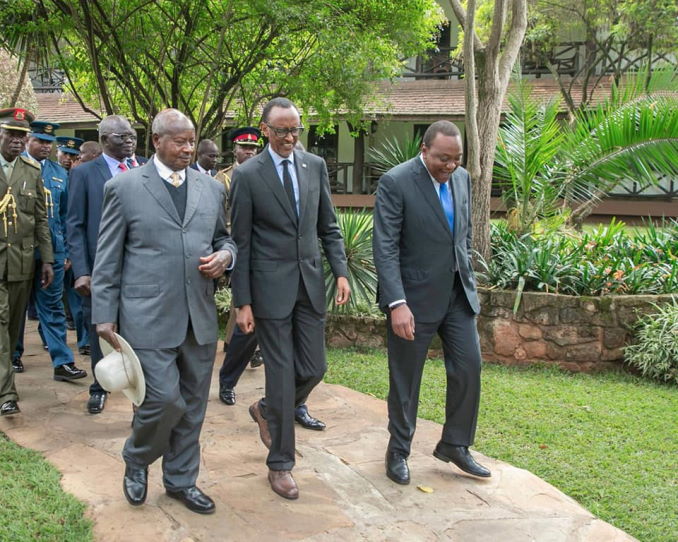

At a regional summit in Nairobi, President Museveni directed the Ugandan Revenue Authority to open a customs station at Mombasa port to ensure that there is no backlog of cargo destined to Uganda
No bank has formally applied for an Islamic banking licence even though there have been expressions of interest in the model from both local and international institutions, according to the deputy governor of the Bank of Uganda, Louis Kasekende
If Africa’s gender gap is ever to be closed, the unique obstacles faced by African women, particularly poor female farmers, must become part of the global dialogue
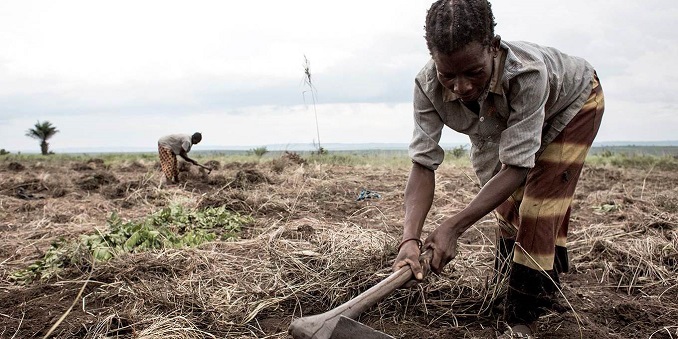
To remain profitable, younger growers must produce larger crops from smaller spaces, which requires innovation. Our study found that in many cases, the best solutions for young farmers are already being designed by young people
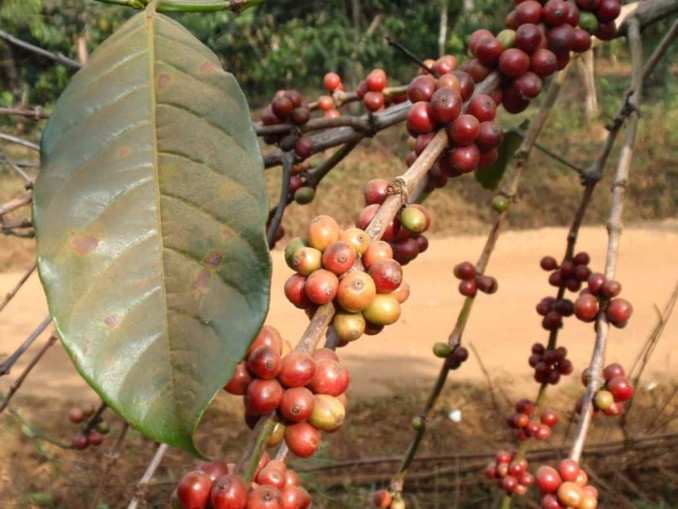
An increase in robusta bean harvests pushed up Uganda’s coffee exports in May compared to the previous month when the quantity of bags exported fell to its lowest since October 2016
The Uganda shilling will this July hit Shs4000 mark against the dollar, economists from Barclays Africa Group predict
It is “illogical” to exclude the economic value of preparing and cooking food and collecting firewood from GDP calculations. Such kinds of labour have historically been excluded because they were commonly viewed as women’s work
Movement in Kampala otherwise is too expensive with no set price regulation for trips, too disorganised and too slow. But do these companies need more app features to stay relevant and become profitable or are they doomed by the city?
While it’s true that most commercial banks in Uganda are not ideally structured to finance individual small-holder farmers directly, the reality is that they still play critical roles within the sector, making them an indispensable part of the overall ecosystem