Sanlam to increase presence in East Africa with PineBridge acquisition

The Sanlam Group is set to acquire a majority stake in PineBridge Investments East Africa, increasing its asset management business in East Africa.
The Sanlam Group is set to acquire a majority stake in PineBridge Investments East Africa, increasing its asset management business in East Africa.
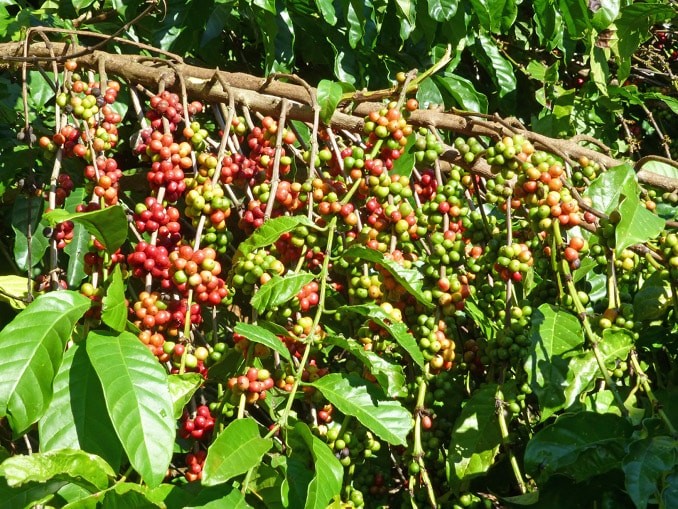
Uganda exported 397,883 60-kilo bags of coffee worth $48.50 million in February 2017, a 46.31% increase in volume and 93.57% rise in value compared to the same period in 2016.
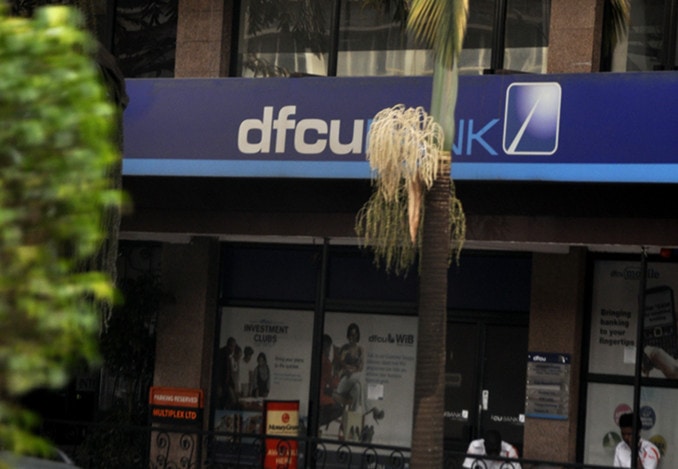
Dfcu Bank Limited increased after-tax profit by 25% to Shs46.3 billion in the year to December 2016 despite a tumultuous year for the banking sector, according to summary financials released on Tuesday.

Dfcu Bank will offer new contracts to former Crane Bank employees left over from the integration of the two lenders, a memo sent to staff on Monday said. The new contracts will become effective on 1 April.
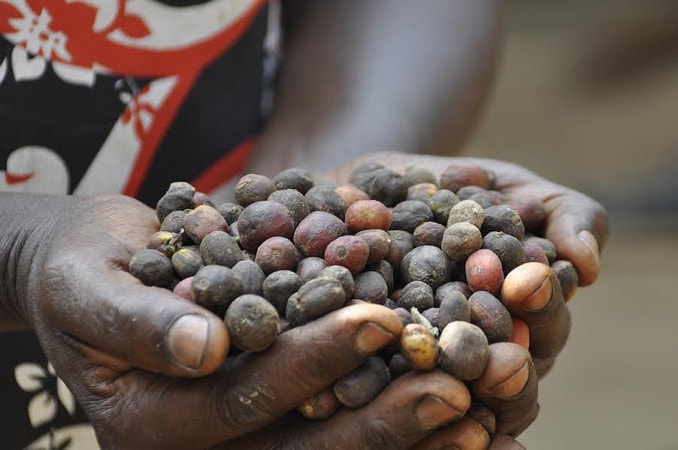
The government has contracted McKinsey & Company, a global management consulting firm, to help in the crafting of a roadmap that will outline how Uganda can increase coffee production and exports by 2020
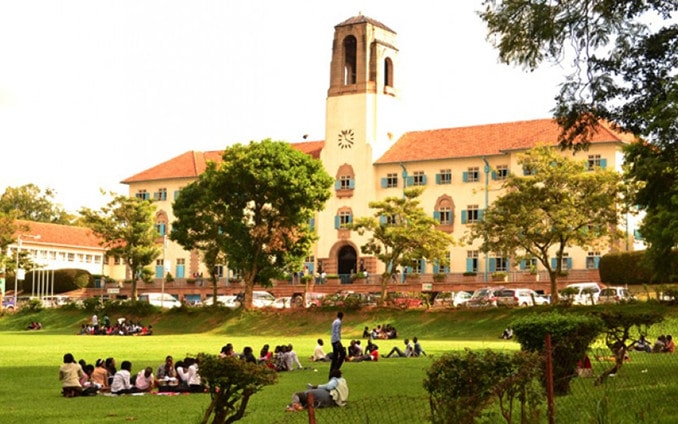
In case you are interested in getting a world-class development studies degree – against the wishes of our leaders, it should be noted – then you cannot do better than Makerere if you are in Uganda.

Teso College Aloet from Soroti district has been crowned Eastern regional winner of the ‘Stanbic National Schools Championship’ for 2017. They beat off stiff competition from four other schools and will now represent the region at the Grand finale set to be held in Kampala on 29 April 2017.
Until recently Vietnam and Uganda shared a similar trajectory in the development of their coffee sectors. Today, Vietnam is the second largest coffee producer in the world. Uganda’s coffee sector has developed slower and produces low yields.
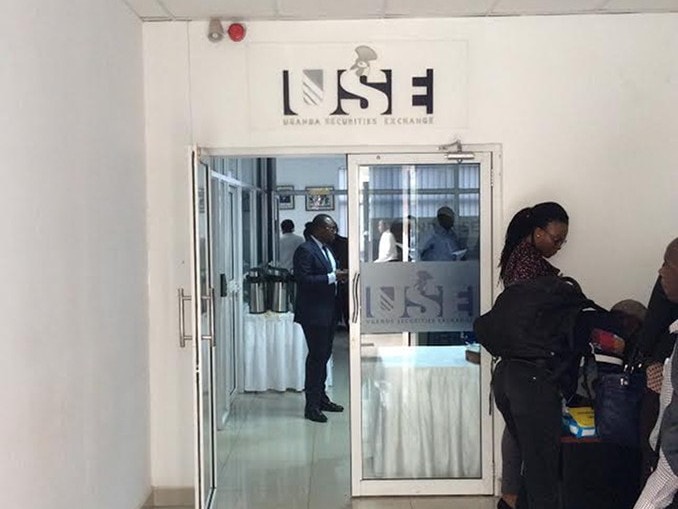
The Uganda Securities Exchange (USE) on Tuesday launched an online self-service portal, Easy Portal, from which investors can view stock performance and monitor their investment portfolios.

It is high time South Africans tackle the problem of xenophobia for what it is – if only for the sake of self-interest.